

Natural Pest Control — Keeping Your Garden in Balance
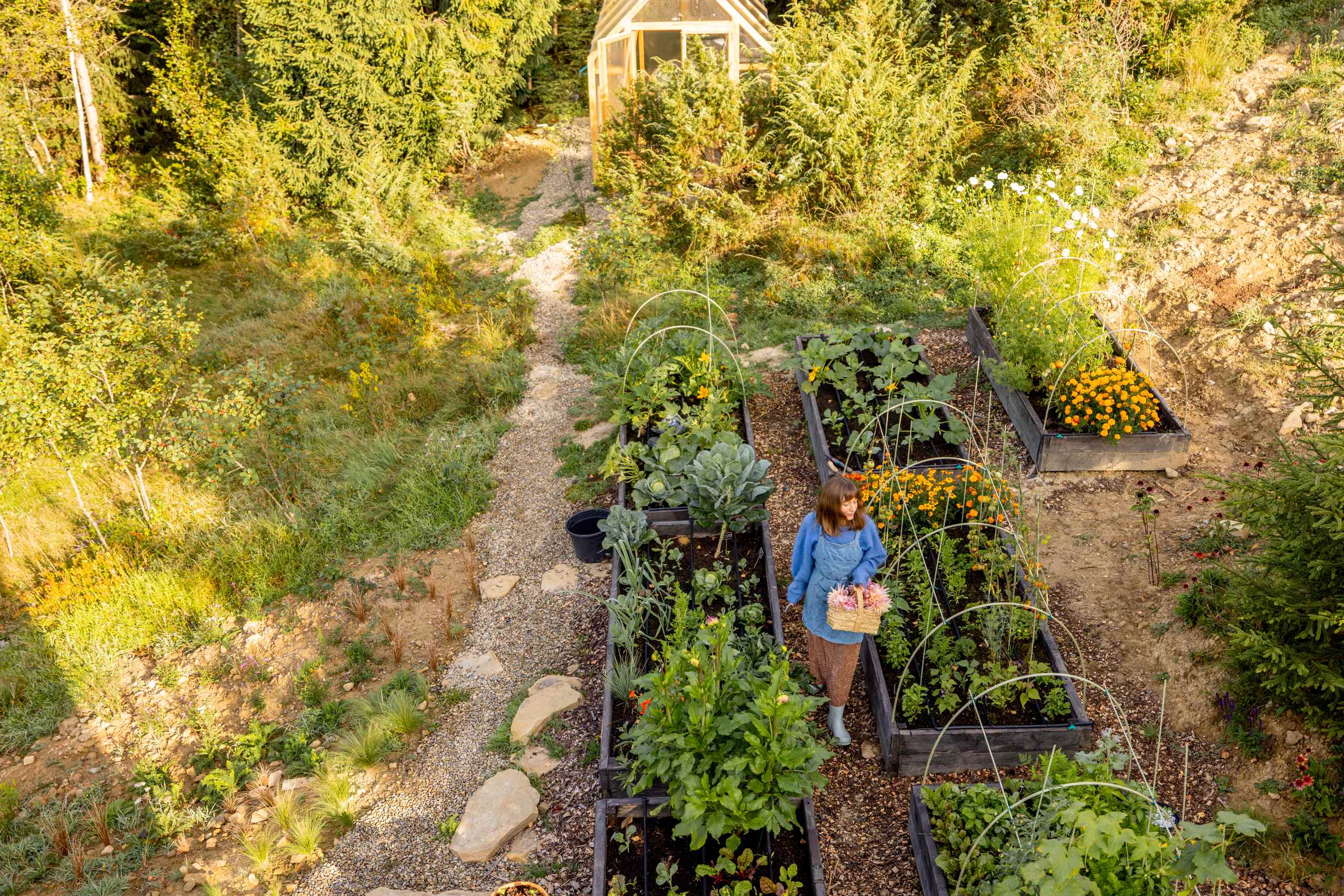
No matter how carefully you plan your garden, pests will eventually visit. Aphids on the tomatoes. Beetles on the beans. Slugs hiding under leaves. It’s part of the cycle. But the answer isn’t always found in a bottle of pesticide.
There’s a better way — a more balanced way — to protect your small farm garden using natural methods that support the health of your entire ecosystem.
Step One: Understand, Don’t Panic
Not every bug is a bad bug.
Many insects in your garden are neutral or even beneficial. Ladybugs eat aphids. Spiders and lacewings hunt pests. Even wasps help control caterpillar populations.
Instead of reacting with sprays the moment you see movement, observe first. Learn what’s truly causing damage — and what might be nature already trying to help.
Step Two: Encourage Natural Predators
Healthy, biodiverse gardens often solve their own pest problems. To help that process:
- Plant pollinator-friendly flowers like calendula, alyssum, and dill — they attract beneficial insects
- Create shelter with stone piles, wood, or hedgerows for toads, spiders, and birds
- Provide water — even a shallow dish with pebbles helps bees and insects stay active
Think of your garden as a layered system — when predators feel at home, pest populations drop naturally.
Step Three: Companion Planting as Defense
Some plants protect each other when grown side by side. This technique is called companion planting, and it’s one of the oldest forms of pest control.
Here are a few combinations that work well:
- Marigolds repel nematodes and aphids — plant them near tomatoes or beans
- Basil deters flies and mosquitoes — great with peppers and tomatoes
- Onions and garlic repel many soft-bodied insects — surround lettuce or cabbage with them
- Nasturtiums act as trap crops — they attract aphids away from other plants
Experiment with layout. Observe the results. Over time, you’ll discover combinations that work best in your space.
Step Four: Manual and Barrier Methods
Sometimes, the simplest tools are the most effective.
- Hand-picking pests early in the morning can prevent large infestations
- Row covers protect seedlings from insects while letting in light and water
- Copper tape around pots deters slugs and snails
- Diatomaceous earth sprinkled around plants creates a barrier insects avoid
Physical solutions may require a bit more attention, but they’re safe, effective, and chemical-free.
Step Five: Organic Sprays (When Truly Needed)
If pest pressure builds beyond what your garden can handle naturally, there are low-impact options:
- Neem oil — disrupts insect reproduction, works on soft-bodied pests
- Insecticidal soap — suffocates insects on contact
- Garlic or chili sprays — home remedies that repel pests without harming your plants
Always spray in the early morning or evening, when bees are less active. And never apply more than needed.
Prevention Is the Real Solution
Ultimately, a strong garden is the best defense against pests. Healthy plants resist damage better. Well-fed soil supports strong roots. Clean up debris, rotate crops, and observe daily.
The goal isn’t to kill every pest — it’s to maintain balance. When your garden becomes a living web of soil, plants, insects, and animals, pests are just one part of the cycle — and not the enemy.