
The Power of Growing Your Own Food – Even in Small Spaces
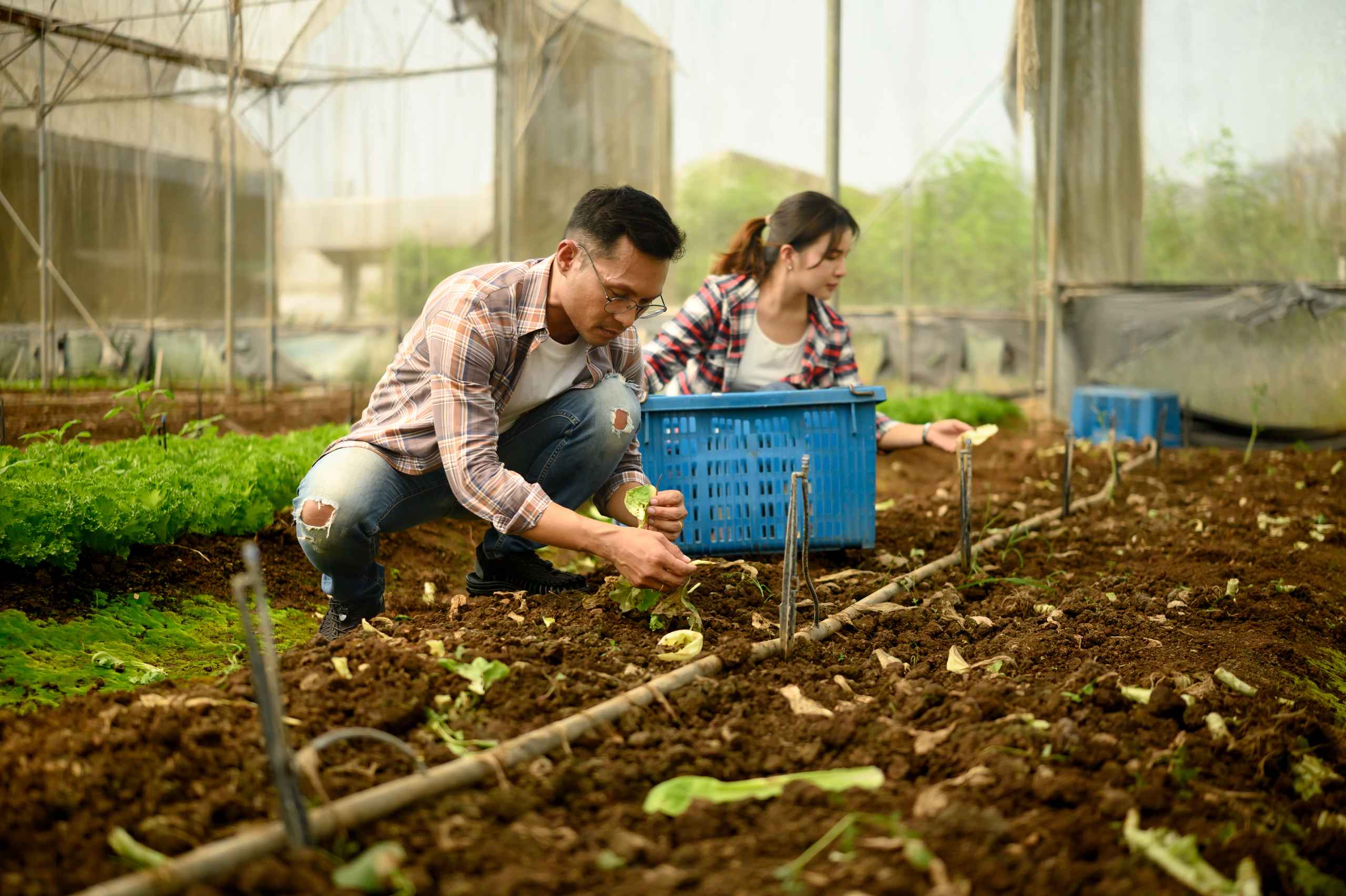
In a time when life moves faster than ever, many people are rediscovering something beautifully simple — the act of growing food with their own hands. Whether on a balcony in the city or a narrow strip of land behind a house, small gardens are transforming lives. And not just by putting fresh produce on the table.
Growing Food Is Growing Yourself
Planting a seed is a small act, but its meaning is vast. You commit to nurturing something. You begin to notice weather patterns, morning light, and the scent of wet soil. You slow down. And in that stillness, something shifts.
Gardening teaches patience, observation, and resilience. It reminds us that not everything has to be instant — and that real rewards take time.
What You Gain from a Small Garden
Even the smallest growing space offers more than meets the eye. A few square feet can give you:
- Fresh herbs and vegetables, harvested minutes before eating
- A deep sense of self-reliance and capability
- Daily grounding through hands-on contact with living things
You also reduce your reliance on plastic packaging, long-distance transportation, and supermarket systems. Every tomato you grow at home is one that didn’t need to be shipped, boxed, or refrigerated.
It’s Not About Size — It’s About Intention
You don’t need acres. Some of the most productive gardens grow from containers on balconies or recycled crates on rooftops. With a bit of planning and care, a modest garden can supply greens, root crops, and even berries.
Choose crops that suit your space and light. Basil, radishes, lettuce, green onions, cherry tomatoes, and strawberries thrive in compact environments. Vertical supports, hanging pots, and tiered shelves can multiply your growing area without expanding your footprint.
The Garden as Sanctuary
Beyond harvests, gardening gives you a place to pause. A moment to unplug from screens and distractions. Just tending to plants — pruning, watering, watching new growth — can shift your mental state and reduce stress.
This is why many gardeners continue even when yields are small. The value isn’t just in the vegetables; it’s in the quiet, the presence, and the connection to life cycles beyond our control.
Starting Simple
Beginning a garden can feel intimidating, but you don’t have to know everything at once. Choose one or two plants you enjoy eating. Find a sunny spot. Use the best soil you can find, and learn from the process.
Some of the best learning happens through trying, observing, and adjusting. Your plants will teach you — if you’re willing to watch.
Start with these basic steps:
- Select crops that match your space and season
- Use containers with drainage or build small raised beds
- Water deeply but not too often — let roots seek moisture
- Don’t aim for perfection, aim for consistency
You’re Not Alone
Small-space gardening is growing into a global movement. People are turning patios, balconies, and community plots into green sanctuaries. Whether you’re looking for practical food production or a peaceful new hobby, there is room for you here.
At Small Farm Gardening, we believe every garden — no matter the size — has the power to nourish, teach, and inspire.